
Relocating to Sonoma County? 6 Insider Questions to Choose Your Perfect Town
If you’re considering a move to Sonoma County and trying to decide between Santa Rosa, Petaluma, Windsor, and Healdsburg, you’re already ahead of most buyers. These towns may look interchangeable on a map, but they operate very differently once you start living in them.
Instead of beginning with listings or averages, the smartest relocations start with context - how you want your days to function, how much friction you’re willing to tolerate, and what kind of change you’re comfortable with over time. At KNOWBL, this is where every relocation conversation starts.
The six questions below reflect how locals and experienced buyers actually compare Sonoma County towns - and why the right answer is rarely the same for everyone.
1. What Does Your Ideal Weekend Actually Look Like?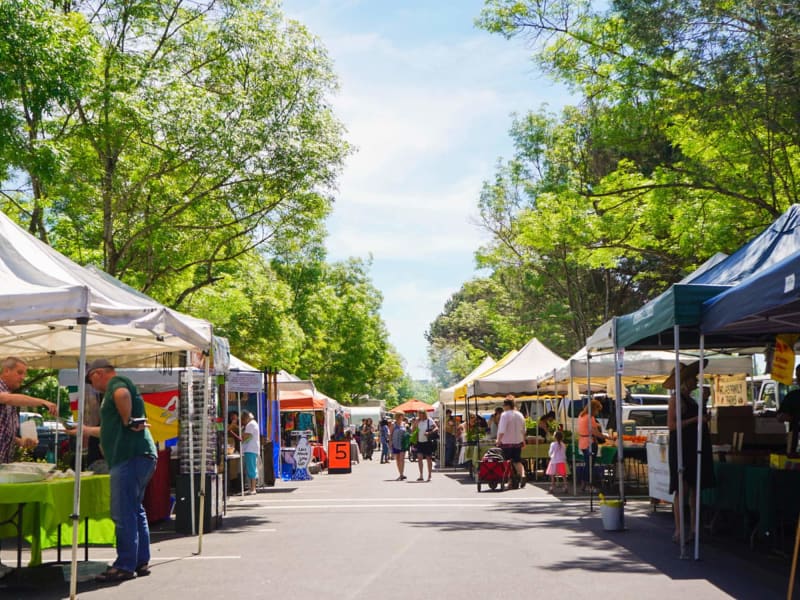
This question cuts deeper than it sounds.
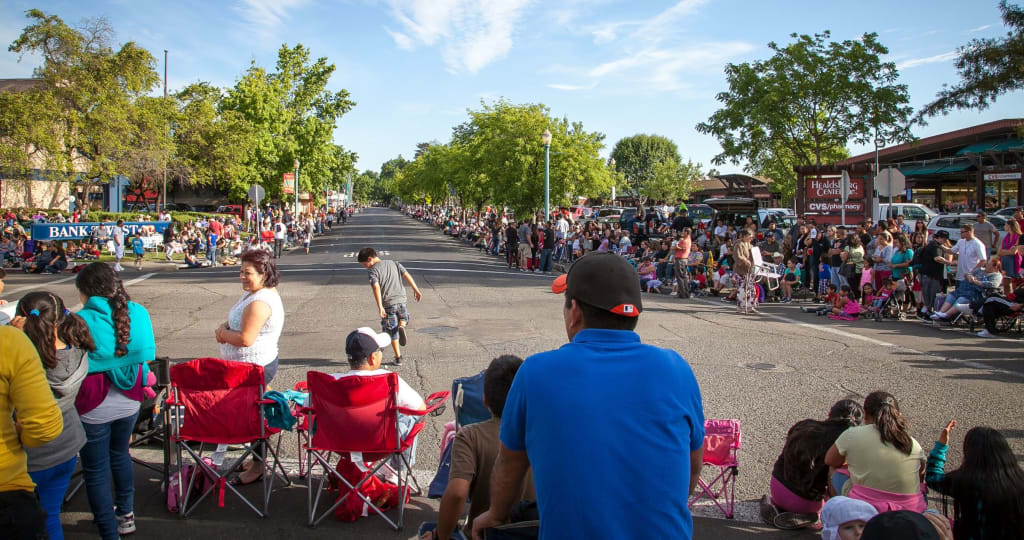
Santa Rosa works well for people who like variety and momentum. It’s the county’s regional center, which means events, dining options, medical services, and cultural venues are built into daily life. Some neighborhoods feel almost suburban; others feel older and more urban. That diversity is a strength — but it also means choosing the right pocket matters.
Petaluma’s weekends tend to be more walkable and social, especially near the historic downtown and riverfront. There’s a strong sense of place here — people run into each other, linger, and participate. Buyers who value charm andfunctionality often gravitate here.
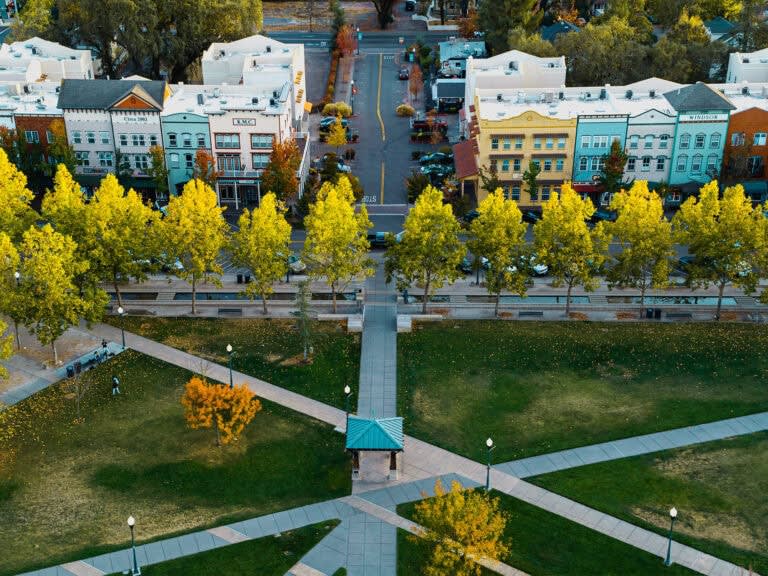
Windsor’s lifestyle revolves around neighborhood life and predictability. The Town Green, parks, and newer subdivisions create a rhythm that works especially well for families or buyers who want structure without feeling isolated.
Healdsburg is more intentional. Weekends are slower, more curated — cycling, long lunches, tasting rooms, and open space. It’s a fit for buyers who want quality over quantity and are comfortable with a smaller, more premium environment.
Your answer here usually reveals more than any spreadsheet ever will.
2. How Important Is Commute Time - and Where Are You Going?
Commute tolerance changes once novelty wears off.
Santa Rosa offers the most flexibility, with multiple Highway 101 access points and neighborhoods that range from central to very quiet. It’s often the best option for buyers balancing local work with regional travel.
Petaluma tends to be a strategic choice for southbound commuters and buyers who want access without feeling like they’re living on a freeway. It’s also one of the few Sonoma County towns where walkability and commute efficiency overlap meaningfully.
Windsor sits north of Santa Rosa and appeals to buyers who are willing to trade a bit of drive time for a smaller-town environment.
Healdsburg requires intention. It’s ideal for remote work, local business owners, or wine-industry professionals — less so for daily Bay Area commuters.
At KNOWBL, we often evaluate commute patterns alongside future infrastructure and development plans, not just current drive times. That’s how you avoid buying into a “fine for now” situation that becomes frustrating later.
3. What Type of Neighborhood Vibe and Trajectory Are You Comfortable With?
This is where local expertise matters.
Santa Rosa is evolving - some neighborhoods are stable, others are actively changing through infill development, zoning shifts, and infrastructure investment. That can be a positive or a negative depending on your tolerance for change.
Petaluma is more tightly constrained by geography and planning philosophy, which tends to protect neighborhood character but can also limit inventory and push prices.
Windsor is newer and more planned, which creates consistency but less variation. Buyers who like knowing what to expect often appreciate this.
Healdsburg’s trajectory is shaped by scarcity and policy. There’s limited room for expansion, which helps preserve character but also means change shows up in subtler ways - pricing pressure, use restrictions, and design controls.
Because of my background working with zoning, entitlement, and municipal processes, I pay close attention to how policy decisions shape neighborhoods over time - not just how they feel today. That perspective helps buyers avoid surprises.
4. What Do You Need from Schools, Parks, and Everyday Amenities?
Even if schools aren’t immediately relevant, they influence value and resale.
Santa Rosa has the broadest range of services and institutions - hospitals, schools, parks, and specialized amenities. It functions as the county’s backbone.
Petaluma balances access and livability well, which is why buyers often stay longer once they land there.
Windsor is intentionally family-forward, with planning that prioritizes recreation and community facilities.
Healdsburg offers quality on a smaller scale, which works best for buyers who don’t need everything close at hand.
The key is understanding how you’ll actually use these systems, not just how they rank.
5. What's Your Budget and Where Does Value Appear?
Santa Rosa offers the widest range of entry points, but value varies significantly by neighborhood and timing.
Petaluma commands strong demand because of its location and character.
Windsor can deliver value in newer housing stock and layout efficiency.
Healdsburg pricing reflects lifestyle and scarcity more than square footage.
Sonoma County can be an excellent value relative to Bay Area markets — but only if you understand micro-markets, zoning constraints, and long-term planning. This is where strategy matters more than enthusiasm.
6. How Much "Community" Do You Want in Your Day-to-Day Life?
Windsor and Healdsburg naturally create connection through shared spaces and events.
Petaluma offers social energy without obligation.
Santa Rosa allows you to engage deeply or stay more private, depending on where you land.
None of these are better — they’re just different.
And If Those Cities Don't Feel Quite Like a Fit...
If you’re drawn to views, land, agricultural settings, or smaller, more private enclaves, communities like Kenwood, Glen Ellen, Sebastopol, or Sonoma may align better with your priorities. That version of wine country living comes with different tradeoffs — and different opportunities — and deserves a separate, thoughtful approach.
Next Steps: Turn Your Answers into a Clear Plan
By now, you probably have a sense of which town matches how you want to live. Maybe you're drawn to the energy and variety of Santa Rosa, Petaluma’s walkable downtown and strong sense of place, Windsor’s family-oriented neighborhoods and community focus, or Healdsburg’s more refined, curated lifestyle. Those instincts are valuable, and the best next step is to test them against real homes and real neighborhoods with expert guidance.
When you're ready, KNOWBL can help you turn these six questions into a concrete search strategy, complete with curated neighborhood recommendations, customized tours (virtual or in person), and a negotiation plan tailored to your budget and timing. Relocating to Sonoma County doesn't have to be a guessing game. With the right local insight and a team that treats your move like the high-stakes life decision it is, you can land not just in the right house, but in the community that truly feels like home.