
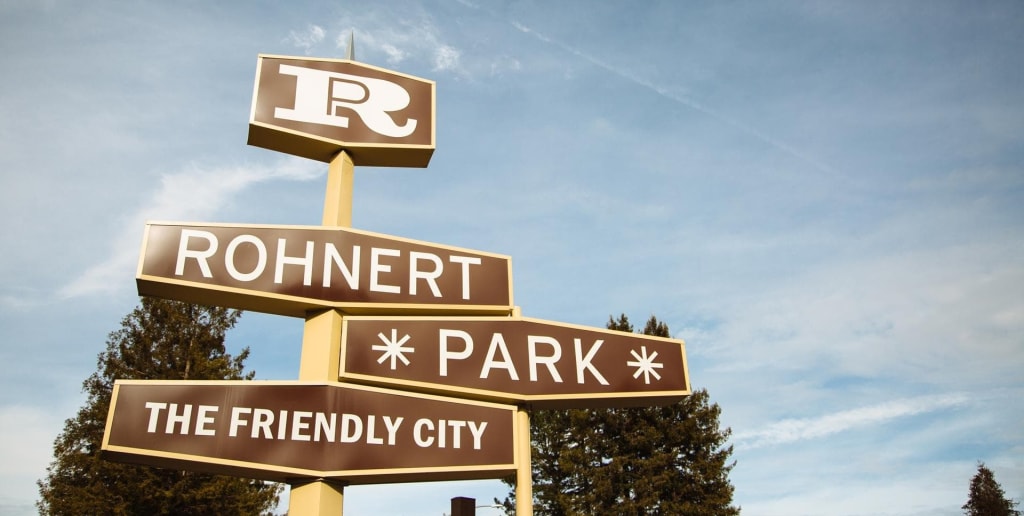
Rohnert Park Neighborhood Breakdown: 4 Distinct Areas Buyers Need to Understand
Choosing a home in Rohnert Park isn't just about square footage or bedroom count; it's about understanding how each neighborhood feels when you drive the streets at dusk, walk the paths on a weekend morning, or head out for a quick bite after work. With four distinct areas that each offer their own rhythm, amenities, and lifestyle, it's worth taking a closer look before you commit. This breakdown is designed to help you move beyond the map and into the day-to-day experience of living here - so your eventual decision feels not only smart, but deeply right for your life.
From family-friendly cul-de-sacs to townhome communities close to Sonoma State University, Rohnert Park's neighborhoods were built over several decades and that history still shapes what living there feels like today. Some pockets lean toward established trees and classic ranch-style homes, while others showcase newer construction and low-maintenance yards that appeal to busy professionals. Knowing which mix of charm, convenience, and future potential fits you best can save you from buyer's remorse and help you focus on the few streets that really make sense for your goals.
My job at KNOWBL is to help buyers cut through the noise of listings, disclosures, and market chatter so that the decision becomes more straightforward. The real complexity (e.g. zoning nuance, city plans, bidding strategy, and negotiation) is handled behind the scenes, informed by a strong government affairs and advocacy background. What you get is a clear understanding of the tradeoffs among each neighborhood and the leverage you can bring to the table when you're ready to write an offer.
North Rohnert Park: Established Streets and Everyday Convenience
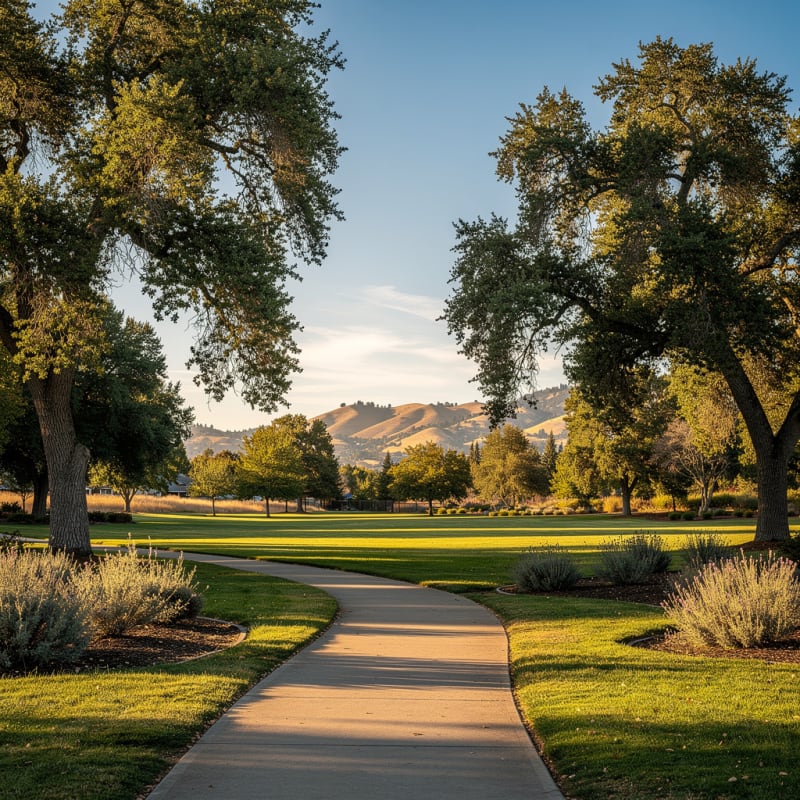
Anchored by mature trees, parks, and a central grid of residential streets, the northern side of Rohnert Park is often where buyers look when they want that "already broken in" neighborhood feel. Here you're more likely to find single-story ranch homes from the mid-to-late 20th century, many of which have been updated with modern kitchens, open concept living rooms, and energy-efficient systems. The lots tend to be a bit wider, giving room for RV parking, gardening, or simply extra breathing space between homes.
Daily life in this area leans practical and convenient. Grocery options, coffee spots, and basic services sit a short drive - or in some cases a reasonable walk - away. Commuters appreciate relatively quick connections to Highway 101, while those who work locally value that errands rarely require crossing town. For families, the draw is often a mix of established schools, local playgrounds, and the sense that kids have room to ride bikes, shoot hoops in the driveway, and get to know neighbors over the years rather than months.
From a market perspective, North Rohnert Park can appeal to buyers who want the most space per dollar without pushing further out into more rural areas. Because many of the homes here are older, condition and upgrades matter a lot: one property can feel vastly different from another just a few blocks away. This is where sharp negotiation pays off. Instead of overpaying for cosmetic improvements, a savvy strategy focuses on underlying systems, inspection findings, and city permit history - leveraging those details to secure a strong price or credits for future work.
Buyers who thrive here are typically those who prioritize stability over trendiness. They like the idea of a neighborhood that's already proven itself, where real estate cycles have played out a few times and you can see how values have held up over the years. If you're seeking a long-term primary residence and want your home to feel like an anchor in your life, North Rohnert Park is often the first area to explore in depth.
Central Core & "A–G" Sections: Classic Rohnert Park Character
Moving into the central heart of Rohnert Park, you'll find the "A–G" sections: alphabet-labeled pockets that many longtime locals reference as the city's classic residential core. Street names, school zones, and community parks knit together in a way that makes the area feel cohesive and neighborly. Houses are often similar in era and basic layout, yet individual homeowners have put their stamp on them with additions, remodeled kitchens, and reimagined outdoor spaces.
This part of town tends to attract buyers who want a balance between affordability, access, and community feel. The parks and paths connect much of the neighborhood fabric, making it easy to walk the dog, push a stroller, or go for an evening jog without needing to drive somewhere first. On weekends, you'll see evidence of everyday life: kids practicing soccer moves in the grass, gardeners tending vegetable beds, and neighbors chatting in driveways as they unload from a Costco run.
From a buyer's standpoint, the central sections are where you can often find that "Goldilocks" option: not too far, not too busy, and with enough variety in housing stock that there's usually at least one or two good candidates in any given season. Because of that, competition can heat up for well-presented homes. This is where strategic marketing and sharp offer positioning matter if you're also selling a home; aligning your sale and purchase so you're not overexposed in the market is key in California's fast-moving environment.
When representing buyers in these sections, a negotiation approach grounded in local policy knowledge and data can create an edge. Understanding how the city has approached infrastructure, school boundaries, and long-term planning helps you judge whether a specific street has quiet staying power or is more likely to change dynamically over the next decade. That perspective enables you to think beyond the current market snapshot and toward how the neighborhood might feel when you've been there five or ten years.
South Rohnert Park: Sonoma State, Townhomes, and Low-Maintenance Living
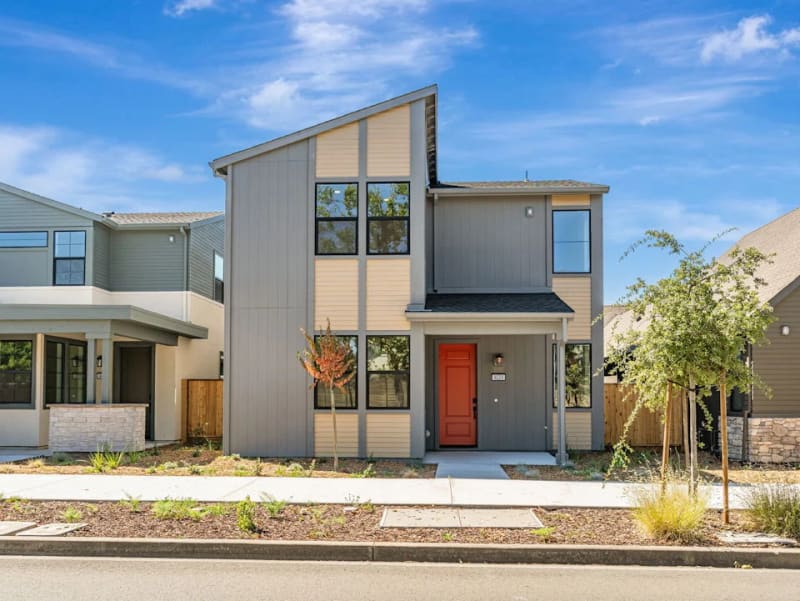 Head south and the influence of Sonoma State University becomes part of the story. This area mixes single-family homes with townhomes, condos, and planned communities that naturally appeal to students, university staff, and buyers who prefer a lock-and-leave lifestyle. Sidewalks, bike lanes, and easy access to campus amenities create an energy that's a bit more youthful and dynamic than some of the older sections of town.
For many buyers, the draw here is low-maintenance living. Smaller yards or shared green spaces keep weekend chores manageable, while homeowners associations often handle exterior maintenance and common areas. If you travel frequently, work long hours, or simply don't enjoy yard work, this part of Rohnert Park can be a smart fit. You still get the benefits of the suburban setting - proximity to SOMO Village, regional parks, shopping centers, and transit - without the same level of upkeep that a larger lot demands.
At the same time, South Rohnert Park can call for a slightly different kind of due diligence. When you're evaluating townhomes and condos, HOA documents, reserve studies, and community rules matter as much as the floor plan and finishes. It's important to know not just what your monthly dues are today, but how well the association is positioned for future repairs and improvements. This is where having an advocate who is comfortable parsing detailed documents and asking precise questions can save you from unpleasant surprises later.
In competitive moments, properties near the university or major commuting routes may attract multiple offers, particularly when they hit an attractive price range for first-time buyers. An informed offer strategy might involve creative terms, thoughtful timelines, or targeted contingencies rather than simply throwing more money at the problem. With the right guidance, you can remain disciplined and confident, even when the bidding environment feels intense.
East Rohnert Park & Golf Course Communities: Views, Trails, and a Quieter Pace
Easterly neighborhoods, including areas near the golf course, offer a different pace and visual experience. The backdrop here tends to include more open space, rolling green fairways, and, in some places, longer views toward the surrounding hills. Streets are often quieter, with fewer through-routes, which can lend a calm, almost retreat-like atmosphere especially in the early morning or at dusk.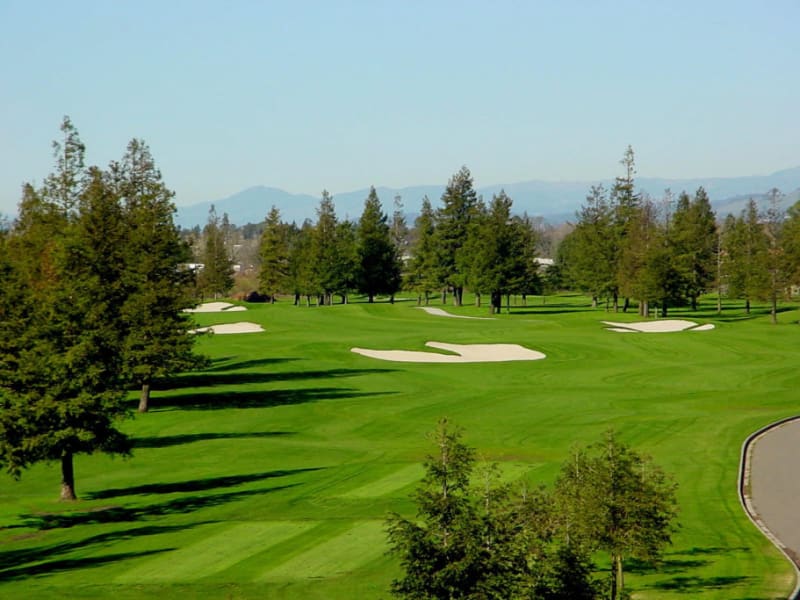
Homes in these pockets may command a premium when they back directly to the course or border open space, but the lifestyle tradeoffs are tangible. Morning walks along nearby trails, occasional wildlife sightings, and the sense of airiness that comes from fewer buildings packed close together make daily life feel a bit lighter. For many, this is where "coming home" really does feel like leaving the busier parts of the region behind, even though you're still a short drive from shops and key roads.
Buyers who gravitate toward this area often value a mix of privacy, aesthetics, and long-term enjoyment more than raw square footage. They might be thinking about hosting out-of-town guests, working remotely with a soothing view outside the office window, or having a dedicated space to pursue hobbies that benefit from peace and quiet. When evaluating these homes, it's worth considering not just the current view, but also what local land-use plans and zoning allow in the surrounding area so you can judge how likely that view is to remain.
Because the setting is such a big part of the value, negotiation here involves more than counting bedrooms and bathrooms. It means understanding how similar lots have sold historically, how seasonal demand fluctuates for view properties, and what kind of buyer pool you might be competing against. Analyzing those patterns allows you to structure an offer that respects the uniqueness of the home without paying a premium that the data doesn't support.
How to Match Your Lifestyle to the Right Rohnert Park Neighborhood
Once you understand how these four broad areas differ, the next step is to connect them to your real, lived priorities. If you have school-aged kids and envision riding bikes to local parks, the central and northern neighborhoods may deserve extra focus. If low-maintenance townhome living or a condo near Sonoma State aligns better with your routine, the southern sections should move higher on your list. For those who crave calmer streets and scenic outlooks, the eastern and golf-adjacent communities will likely stand out during tours.
Creating a short, honest list of what matters most—commute time, outdoor access, school preference, layout style, yard size, or monthly budget flexibility—can dramatically narrow your search. From there, touring homes in different pockets of Rohnert Park becomes less about random browsing and more about testing real-world fit. How does traffic feel at 7:45 a.m. on a school day? What is the noise level like on a Friday evening? Can you picture your daily routines flowing smoothly, or do you feel friction as soon as you arrive?
At KNOWBL, my aim is to make those comparisons straightforward and the path to an accepted offer as smooth as possible. Behind the scenes, you benefit from negotiation skills shaped by a background in government affairs and policy - experience that translates into careful document review, thoughtful risk assessment, and persuasive advocacy when it's time to represent your interests. On the surface, your experience is intentionally simple: clear explanations, step-by-step guidance, and a sense that someone is always a few steps ahead of the next potential hurdle.
Rohnert Park offers more variety than many buyers initially realize, and that's exactly why a neighborhood-level strategy matters. By understanding the character of each area, you can focus your energy on homes that truly fit the way you live now and the future you're building toward. When you're ready to explore these neighborhoods in person, align your budget with on-the-ground reality, and craft an offer that balances ambition with prudence, partnering with a local professional can turn a complex decision into a confident one.